
CONCEPTS / BIOLOGY
Biology concepts
Explore the principles, key relationships, examples, and model limits in biology, then test them in related experiments. These 20 concepts connect to 20 experiments.
All biology experiments →Cell/material movement
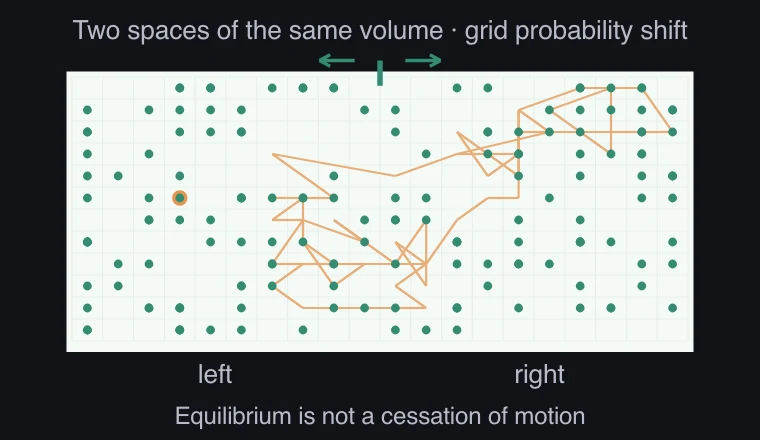
Diffusion and concentration gradients
Although the movement of the particles is random, there is a net movement from areas of high concentration to areas of low concentration.
Read the concept →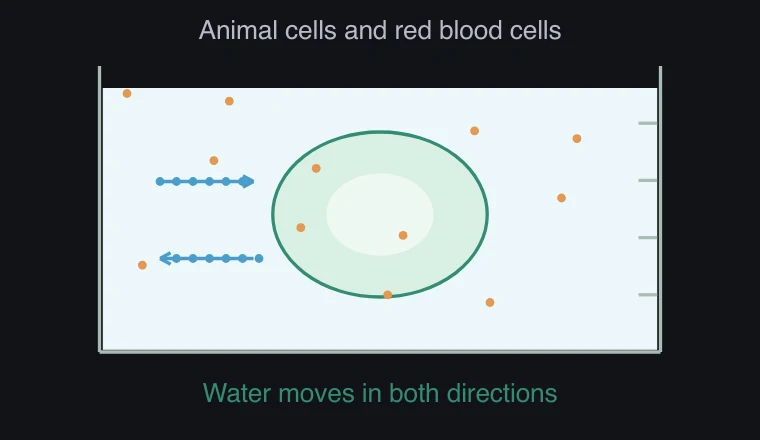
Osmosis and cell volume
Osmosis is water movement across a selectively permeable membrane. Solutes that cannot cross the membrane, together with pressure conditions, affect cell volume.
Read the concept →
Cell surface-area-to-volume ratio
As cells grow larger, their volume increases faster than their surface area. The area for exchanging materials and the distance to the inside are subject to different constraints.
Read the concept →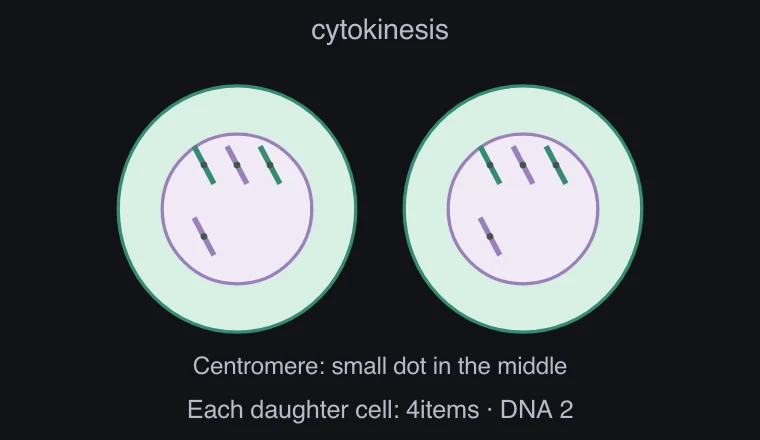
Mitosis and DNA content
Chromosomes are counted by their centromeres, even after DNA replication. Chromosome number and DNA content must not be treated as the same measure.
Read the concept →Metabolism/Plant Physiology
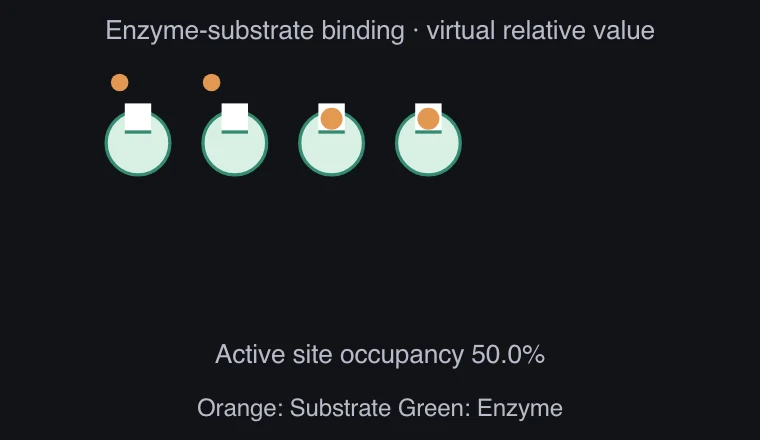
Enzyme kinetics and competitive inhibition
Increasing substrate concentration speeds up an enzyme reaction until it approaches saturation. In competitive inhibition, the substrate and inhibitor compete for the binding site.
Read the concept →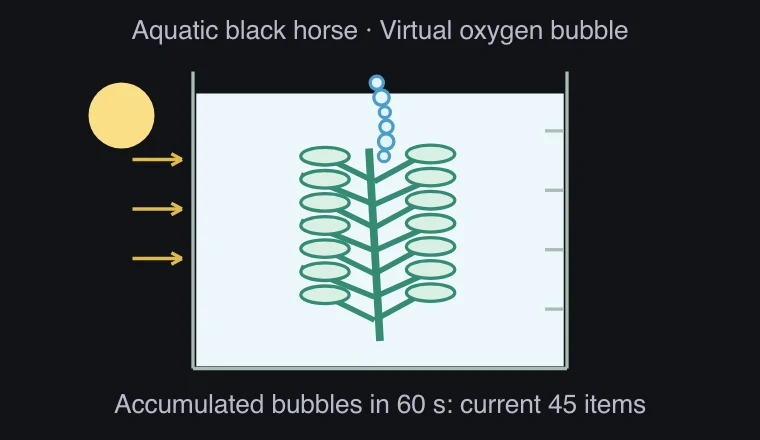
Limiting factors in photosynthesis
The rate of photosynthesis can be limited by the factor that is most deficient among several conditions. Even if light is increased, the rate will stop increasing if other factors are lacking.
Read the concept →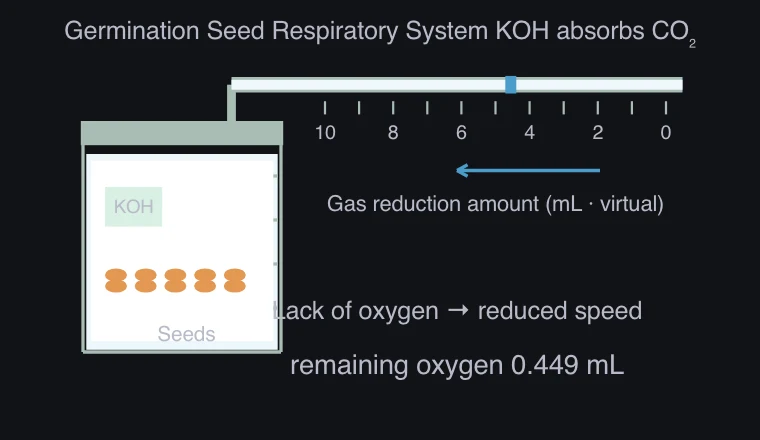
Cellular respiration and oxygen consumption
Cellular respiration makes energy from organic matter available for cellular activity. Match biomass and temperature when comparing oxygen consumption.
Read the concept →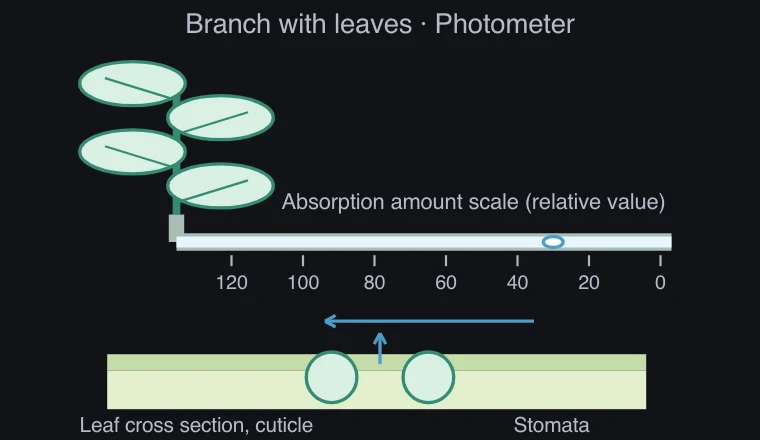
Transpiration and stomatal regulation
Transpiration is the process by which water leaves plants and turns into vapor. This involves observing both the opening of stomata and the conditions under which water vapor moves out of the leaves.
Read the concept →Heredity/gene expression
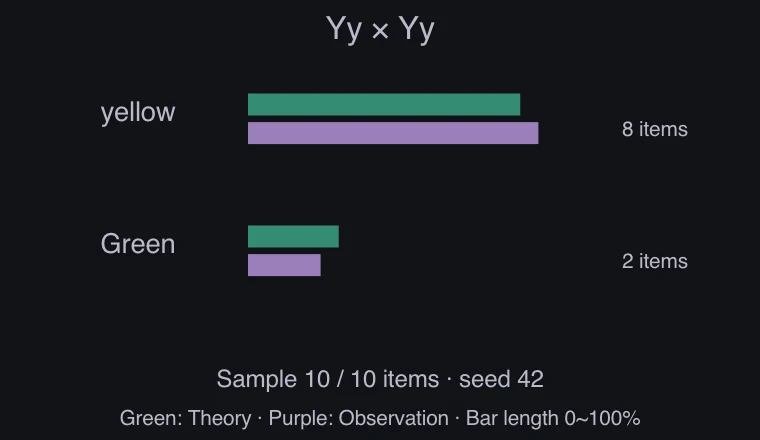
Mendel’s law of segregation
A pair of alleles separates when gametes form. Distinguish genotype ratios from ratios of observable phenotypes.
Read the concept →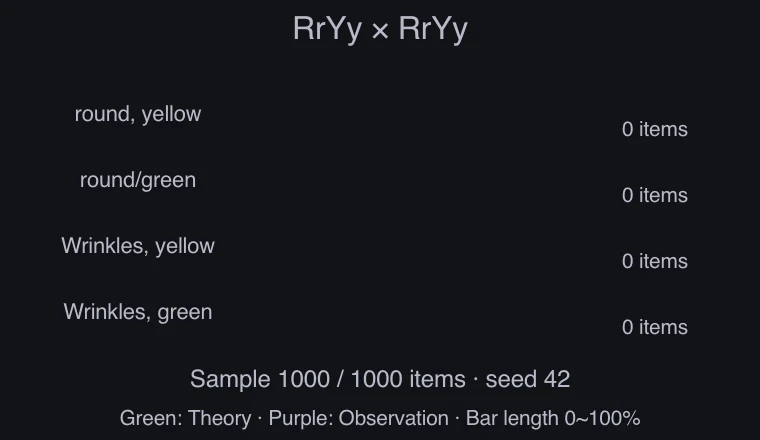
Independent assortment of two traits
When two gene loci separate independently, it is possible to predict the combinations of offspring by multiplying the probabilities of each locus.
Read the concept →
Meiosis and genetic diversity
Meiosis reduces the number of chromosome sets through two divisions after one round of DNA replication. Crossing over and independent assortment produce genetically diverse gametes.
Read the concept →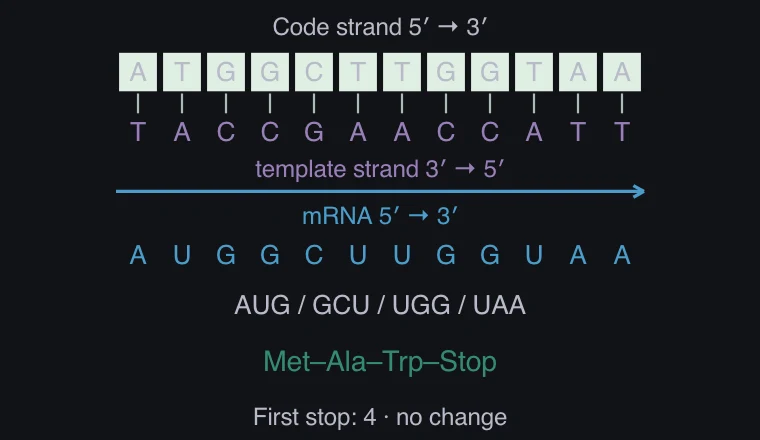
Transcription, translation, and mutations
Transcription transfers DNA information to RNA, and translation uses that information to specify an amino acid sequence. A base change’s effect on a protein depends on its location and type.
Read the concept →Human body/homeostasis
Ventilation and pressure–volume relationships
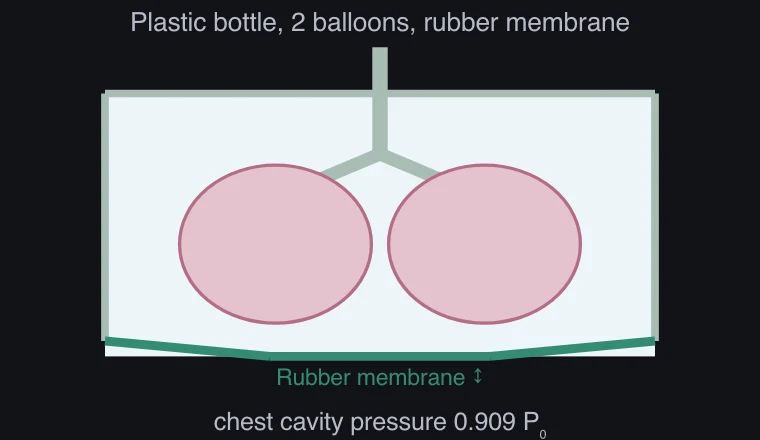
When the thoracic cavity expands during inhalation, the pressure within the lungs becomes lower than the external pressure, allowing air to enter. We distinguish between gas exchange and ventilation.
Read the concept →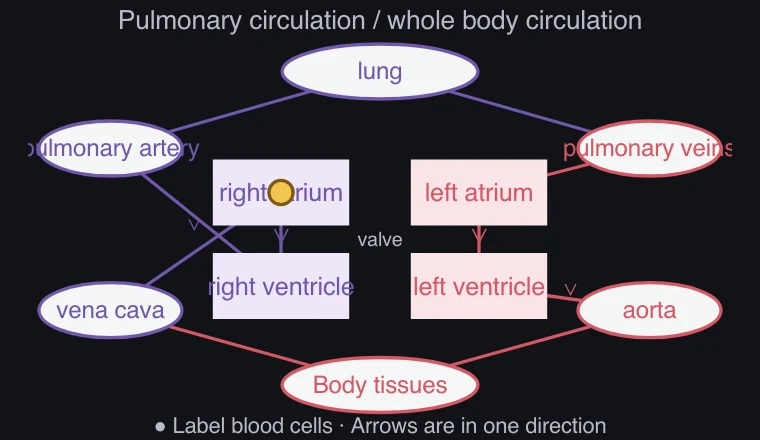
Pulmonary and systemic circulation
The heart connects pulmonary and systemic circulation. Arteries and veins are classified by whether blood flows away from or toward the heart, rather than by oxygen content.
Read the concept →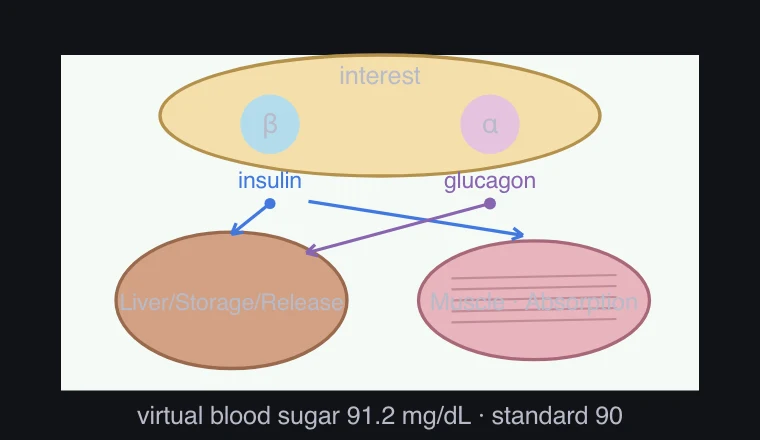
Blood glucose regulation and negative feedback
Negative feedback is a response that reduces a deviation from a reference state. Blood glucose regulation involves several hormones and tissues acting together.
Read the concept →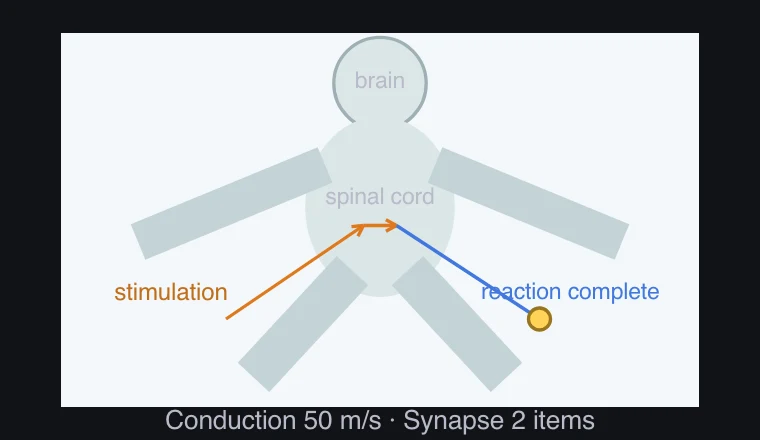
Neural signaling and response pathways
Response time depends on the signal’s travel distance along nerves, conduction speed, and synaptic delay. Compare reflex pathways with pathways involving conscious judgment.
Read the concept →Ecology, Evolution, Research
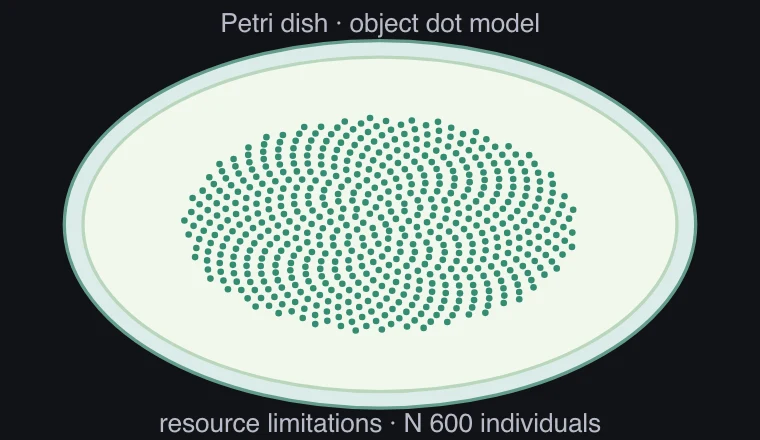
Population growth and carrying capacity
The population group can grow rapidly if there is sufficient resource, but its growth may slow down in a limited environment. We differentiate between the growth rate and the actual increase.
Read the concept →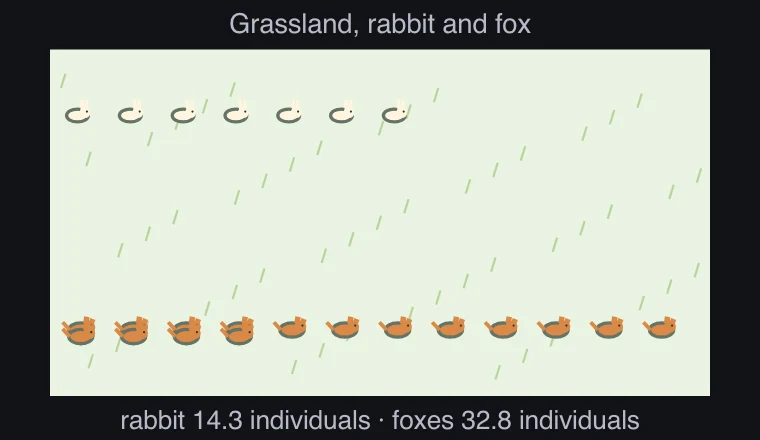
Predator–prey population dynamics
Predators and prey influence each other’s growth and decline. It is not necessary for the maximum values of the two populations to appear at the same time.
Read the concept →
Natural selection and genetic drift
Natural selection changes allele frequencies through differences in reproductive contribution; genetic drift changes them through random sampling.
Read the concept →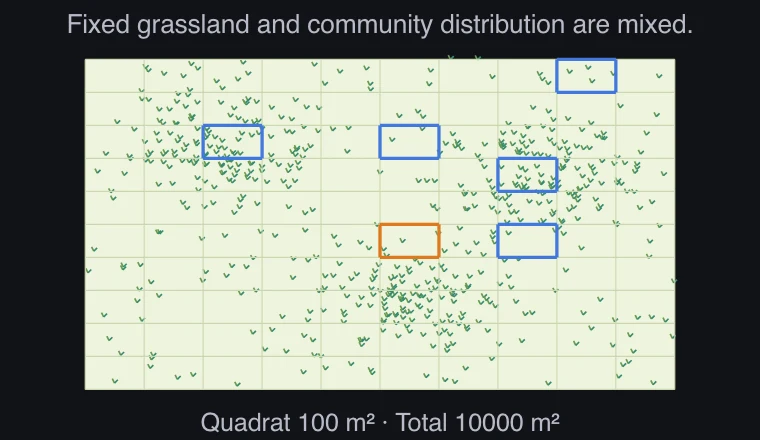
Quadrat sampling and population estimation
Quadrat sampling estimates total population size from the density in small sampled areas. How sample locations are selected matters as well as the number of samples.
Read the concept →